
Article: Notes from our founders - Note 4
Notes from our founders - Note 4
Why buy British?
When you spend most of your working life in a workshop, buying British feels quite personal. For Emma and I, it brings to mind the people we learnt from, the factories we worked in and the skills we still use every day.
We learnt from the factory floor up, from sweeping the floor to cutting, sewing and eventually designing. I grew up around the family business, so making was part of everyday life. Looking back, I realise how much we learnt simply by being there, watching people who had spent decades getting very good at what they did.
Those people were like family. We knew their skills were special, but even then there weren’t enough young people coming through to learn from them. That’s why we feel so strongly about supporting British make. We’ve seen what goes into it, and how easily that knowledge can be lost.

There’s still so much being made here
It’s easy to talk about British manufacturing as though it belongs in the past. But there are still mills, factories and small workshops across the country doing remarkable work. You just have to know where to look.
Think of Barbour's waxed jackets, Scottish cashmere from Johnstons of Elgin or knitwear from John Smedley. Behind each is a business that understands its materials because generations of people have worked with them.
Then there are Brady’s Bags, handmade in Walsall, and English-made shoes from Loake. Different products, different skills, but the same care over how something is put together.
We have a real appreciation for these businesses. When you make things yourself, you notice the details: a neatly bound seam, a well-cut panel, a fastening that works exactly as it should. We can happily spend rather a long time discussing a seam!
It’s also why we like seeing these pieces worn and used for years. The work that went into making them is still doing its job.
Supporting British makers helps keep that work going, whether it’s in a well-known factory or a small workshop like ours.
You can’t learn it overnight
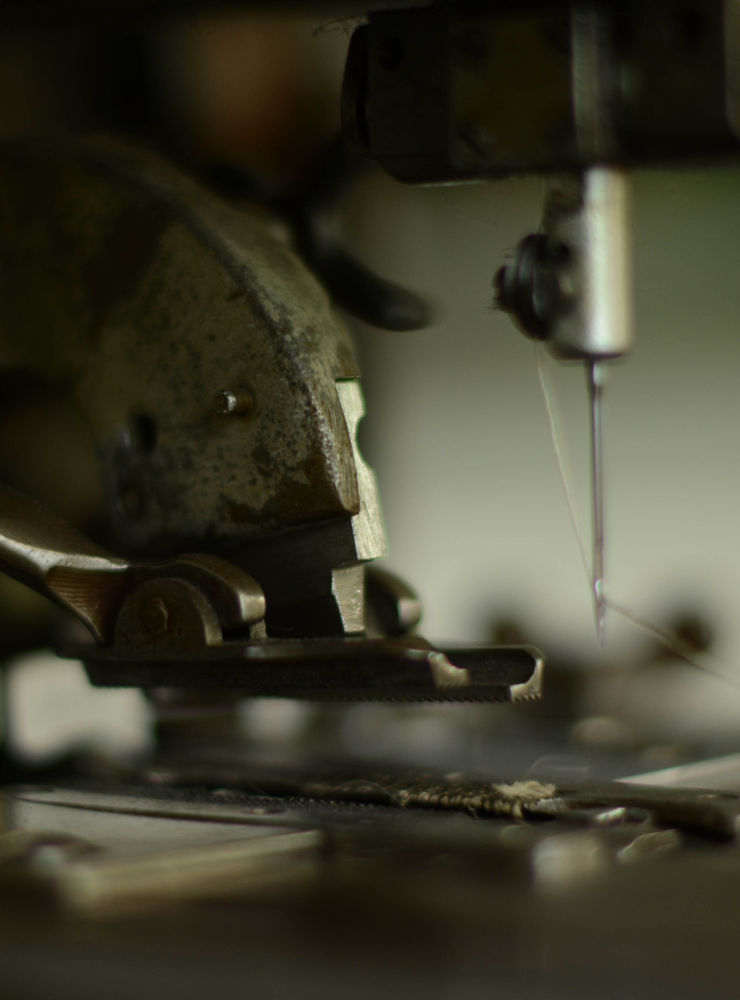
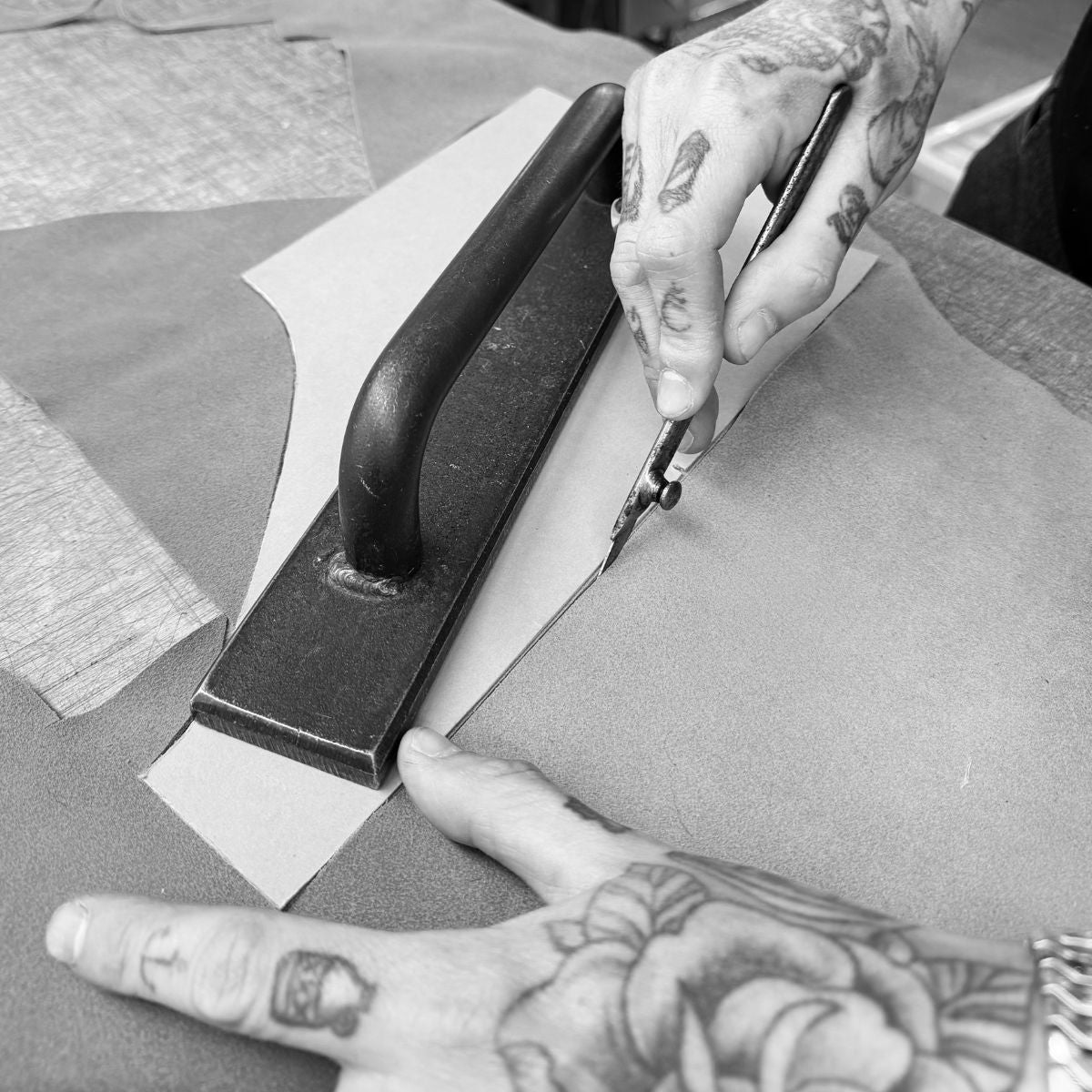
Cutting, pattern making, leatherwork, sewing and finishing all take years to learn. And knowing how to use a machine is only the beginning.
You learn how a material feels in your hands, when to adjust the tension, why a seam isn’t sitting properly and what to change before it affects the finished piece. Emma and I still draw on what we were taught all those years ago. You can repair a machine or buy another one. Finding someone with that depth of experience is much harder.

How did we lose so much of it?
We were learning our trade in the 1990s, when so much production was moving overseas. Retailers wanted lower prices and bigger quantities, and British factories were under enormous pressure. According to the London Museum, the proportion of clothes sold in Britain that were imported rose from 57% in 1993 to 92% in 2001. That’s a huge change in just eight years.
At the same time, making didn’t seem to be presented to young people as a career worth pursuing. University was encouraged, but learning to become a skilled cutter or machinist deserved recognition too. It takes years of training, patience and practice, and there needs to be a proper future at the end of it.
As factories closed, there were fewer places to learn. The experienced makers were still there, but too often there was nobody alongside them to pass their knowledge on to.
That’s the part that stays with me. Once those people stop working, you can’t simply open another factory and pick up where they left off.
What it means in our workshop
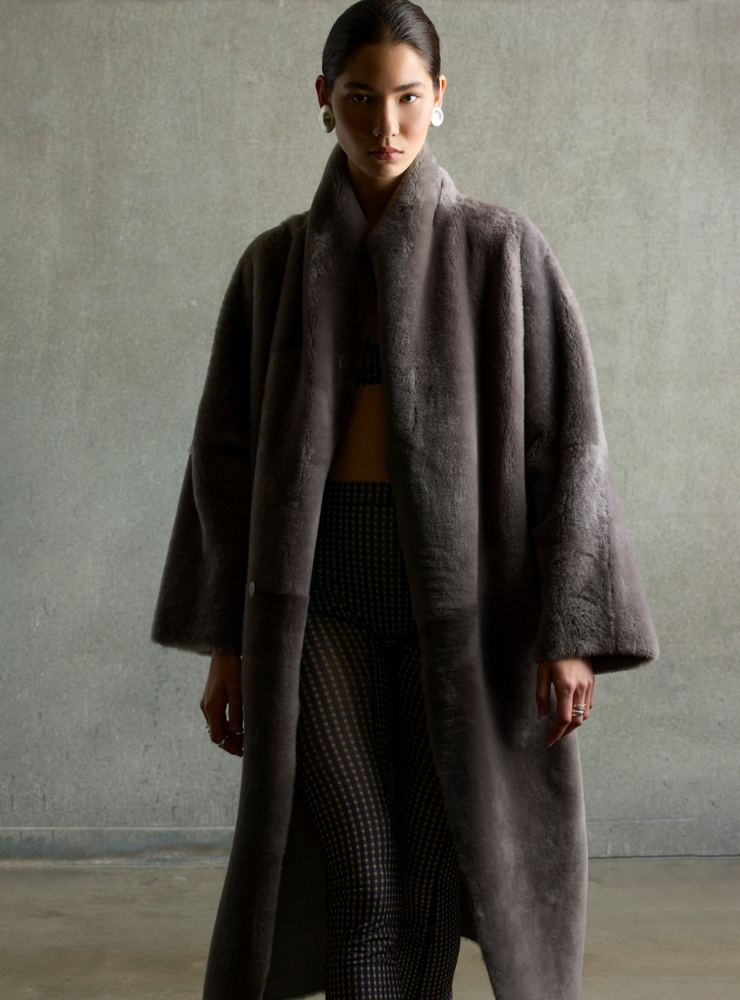
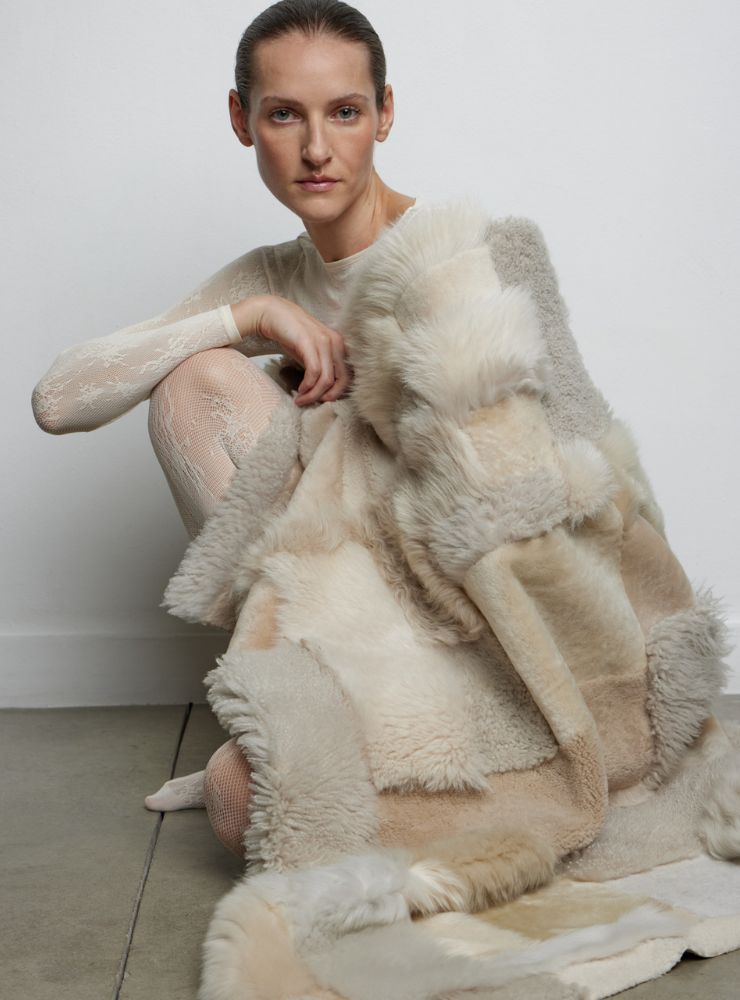
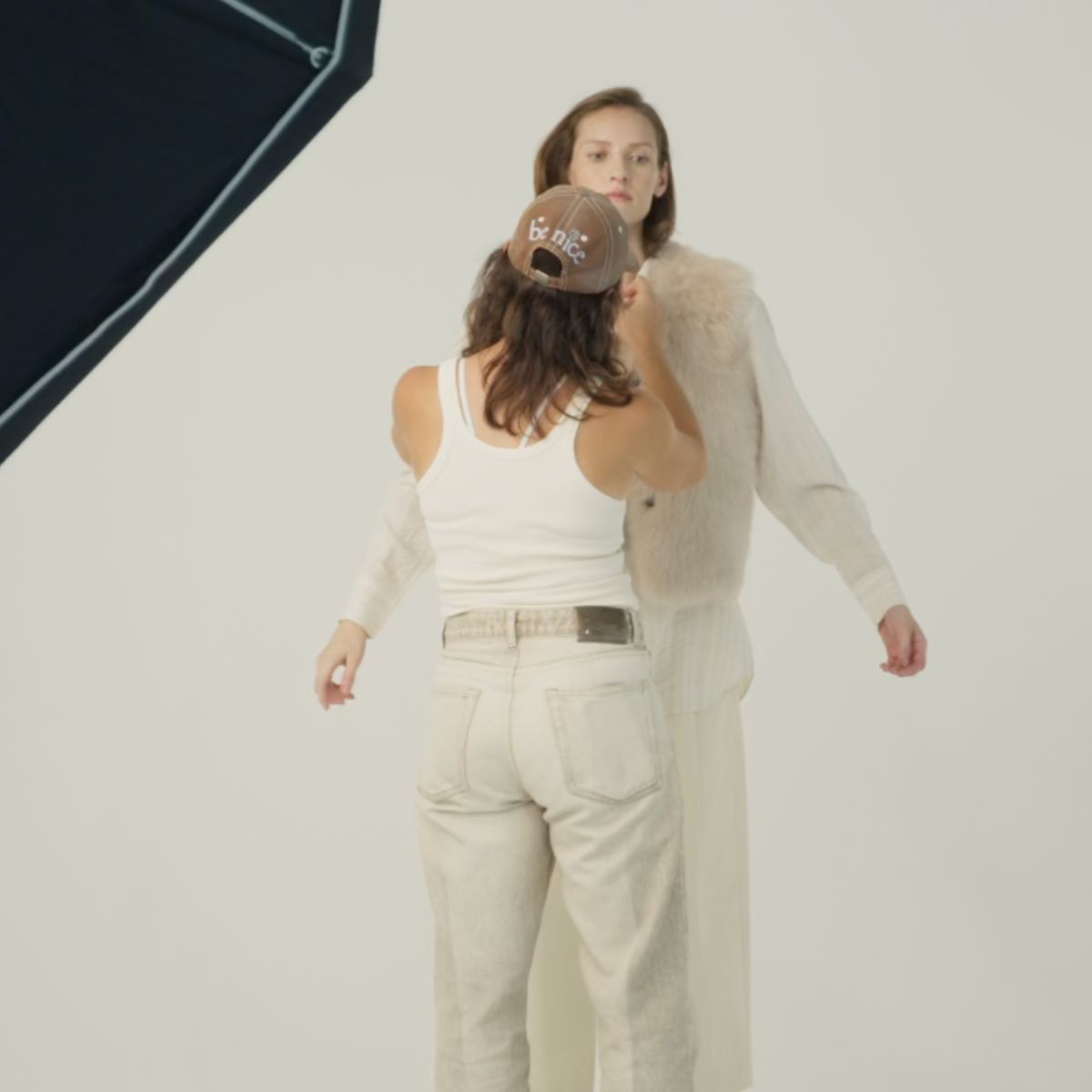
Here at Gushlow & Cole, we’re both the designers and the makers. We make our shearling clothing and accessories in our Kent workshop, so we’re involved from the first pattern through to the finished piece.
If a collar needs adjusting or a pocket doesn’t feel quite right, we can work on it there and then. We handle the skins, try the pieces on and see how they move. With shearling, every skin is different, so those decisions are very much part of making.
We can also make in smaller quantities and respond to what you’re actually buying. For a business our size, being close to the work makes a real difference. We know what’s being made, how it’s progressing and where something needs our attention.
And it means you can ask us about it. Where did the shearling come from? Who made your coat? How should you look after it? These are things we want you to know. There’s a person behind every piece, and we like that connection to carry on after it leaves us.

We want you to keep wearing it
One of the lovely things about making our own pieces is being able to look after them later. A coat might need a repair, a refresh or an alteration, and we understand how it was put together in the first place.
You see that same approach in other British makers, with services such as Barbour’s re-waxing and repairs. There’s something very satisfying about a much-loved piece being given a little care and going back into use.
At Gushlow & Cole, we offer complimentary lifetime repairs through our specialist Repair and Refresh service. We want you to come back to us when your piece needs attention, so you can carry on wearing it.
After all the time spent designing, cutting and sewing, that’s what we hope for: something that earns its place in your wardrobe and stays there.
Who will make the next generation’s clothes?
Over the past 15 years, we’ve noticed more young people approaching us for work experience. They want to get into the workshop, see how things are made and have a go themselves. It’s encouraging to see.
But interest needs somewhere to go. Small workshops need the time and resources to train people properly, and young makers need to see that this can become a career they can build a life around.
I’d like to see greater government support for small English makers, particularly for apprenticeships, training and employment. It needs to reach businesses in all regions, including the independent workshops that can so easily be overlooked.
We have so much to be proud of in England’s heritage of invention and craftsmanship. We’re a nation of makers, with skills admired around the world, and I’d love to see that continue.
British manufacturing will only continue if knowledge is passed on. We can all support this by Buying British.
Because by buying British, we support the workshops able to provide that training and help create a future in which becoming a skilled maker is once again recognised as a valuable and respected profession.
With love,
Emma & Katrina
Co-founders, Gushlow & Cole
Interested in finding our more about our make and the people behind it?