


Article: Where does shearling come from? The farming reality behind a luxury material
Where does shearling come from? The farming reality behind a luxury material
Is Sheepskin a By-Product? How changing food habits, farming economics and a shrinking supply of sheep are reshaping the shearling industry.
One of the most important things to understand about sheepskin is also one of the most easily overlooked: sheep are not farmed primarily for their skins.
Sheepskin is a by-product of the food industry. Farmers breed and raise sheep principally according to the economics of farming and the demand for lamb and other primary agricultural products. The skin only becomes available after the animal has entered the food chain.
This means the supply of shearling cannot simply increase because fashion brands, manufacturers or consumers want more of it.
The availability of the raw material begins much further back - on the farm.

Fewer sheep means fewer skins
The economics of sheep farming have changed considerably. The cost of raising animals has increased, lamb has become more expensive for the consumer, and eating habits are changing.
As the appetite for lamb decreases in some markets, whether through price or a move towards eating less meat, farmers respond to that demand. If fewer sheep are required for food, fewer animals are bred.
Inevitably, fewer animals also means fewer skins.
Climate is adding another pressure. Rising temperatures and the increasingly extreme summers and periods of drought we are experiencing can make farming more difficult and more expensive. Drought affects grazing and water availability, while farmers can face higher costs for feed and maintaining their animals.
For an industry already working within tight margins, these additional pressures can only make the economics of sheep farming more challenging. Higher farming costs are likely to contribute to higher meat prices and, where keeping livestock becomes less viable, potentially fewer animals being bred.
For the shearling industry, this creates an unusual supply chain. A tannery cannot simply place an order with a farmer for thousands more skins because demand for a particular shearling has increased.
The availability of those skins is determined first by what is happening within agriculture.
Farmers breed for the value of the animal, not its skin
The same economics also influence which types of sheep are bred.
A farmer naturally has to consider the return from the whole animal. If a larger, heavier sheep is more economically valuable for meat production than a smaller breed, there is little incentive to continue breeding the smaller animal simply because its skin happens to be particularly desirable to the clothing industry.
We are seeing the consequences of this with the Toscana breed of lamb.
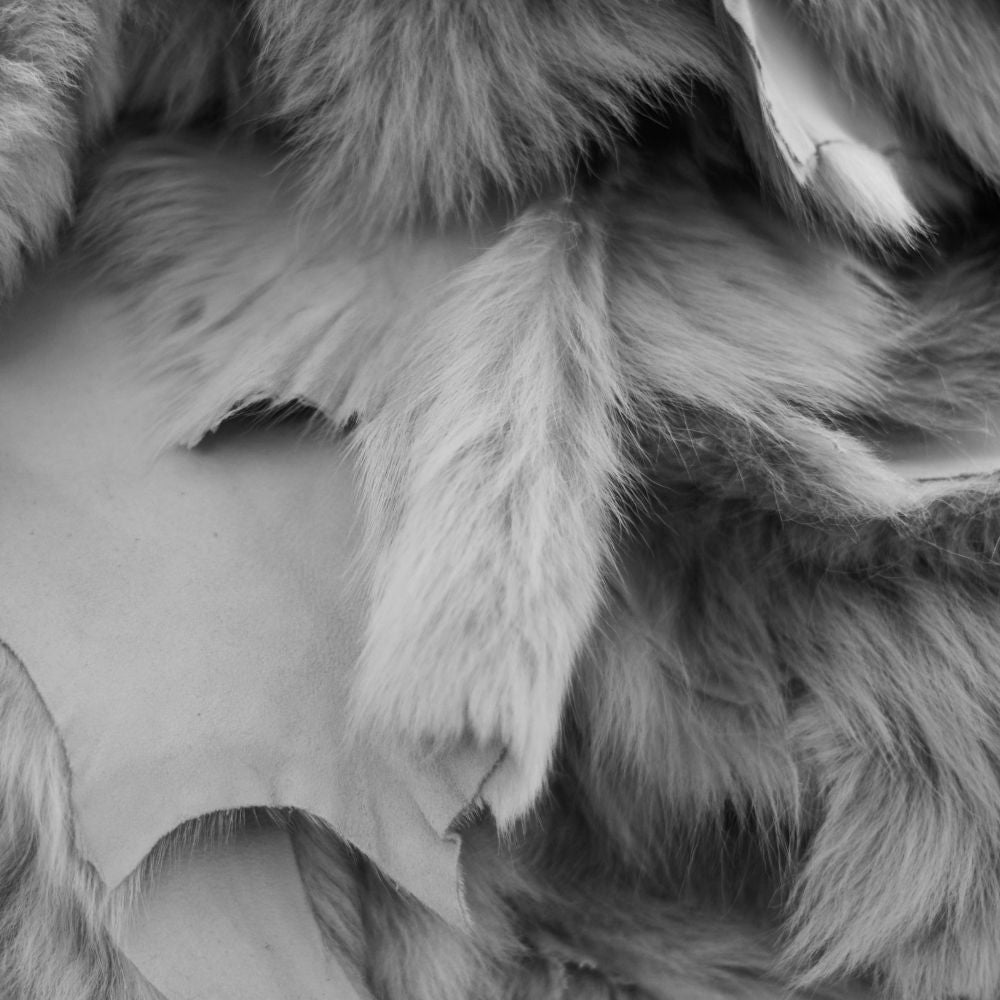
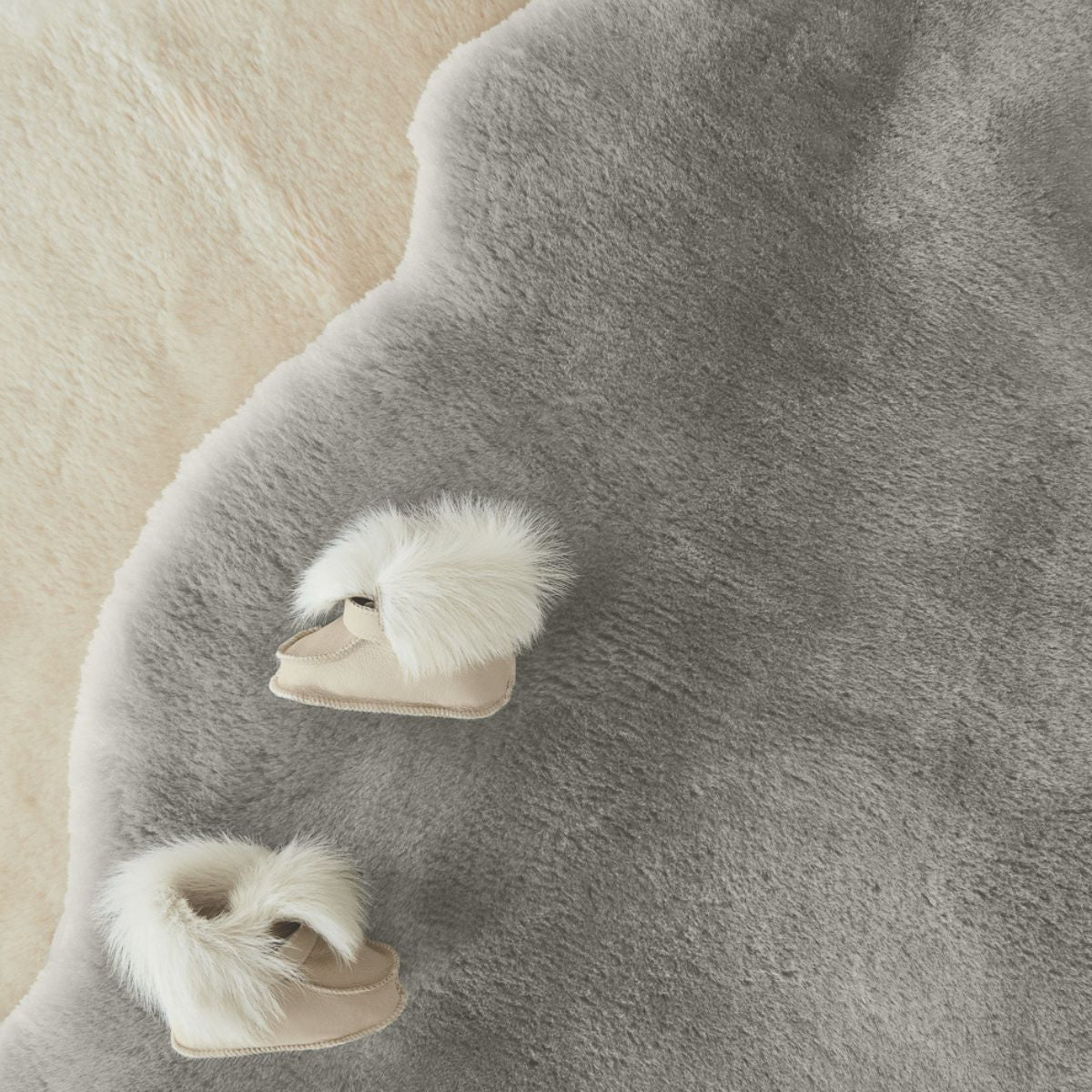
Toscana sheep are relatively small, producing skins of approximately 4–4.2 sq. ft., and are characterised by their beautiful long, fur-like wool.
Discover our Toscana collection

For shearling, it is an incredibly distinctive raw material. For the farmer, however, the economics can look quite different.
Larger, heavier sheep have greater value as meat animals. Smaller Toscana sheep are therefore becoming less attractive to breed. Fewer are being kept and they are increasingly being interbred with larger sheep.
The consequence further along the supply chain is significant: true Toscana skins are becoming increasingly difficult to find.
It is a good example of why the future availability of a luxury material can be decided long before it reaches a tannery, manufacturer or designer.
Scarcity doesn't only affect particular breeds
The same principle applies to quality.
Not every sheep produces a skin suitable for a luxury shearling garment. A raw skin is a natural material and can carry all sorts of variations and imperfections.
During a recent conversation with a skin merchant we have worked with for many years, we were told that at the main tannery we use in Portugal, the very highest-grade Merino skins account for only around 3–4% of all the skins they buy.
That is an extraordinarily small proportion.
The tannery has traditionally sourced its raw skins from Portuguese abattoirs, buying everything they produce - a practice the family behind the business has followed for generations. Buying in this way gives them access to a broad cross-section of skins and, importantly, the opportunity to select the very best.
But a tannery cannot manufacture more first-grade skins simply because its customers want them. Nature determines the starting material.
Some skins simply do not have the quality; some may have tick or seed damage. Others can suffer from wool slip. There are also all the natural variations that come with an animal-grown material.
Only a small percentage will possess the characteristics required for the finest garments.
So when the total number of animals falls, the effect is magnified at the very top of the market. If only a fraction of the available skins are exceptional enough in the first place, a reduction in the overall supply makes those exceptional skins even scarcer.
Why a good skin has become more valuable
At the same time as the supply of raw skins has tightened, the cost of transforming them has risen.
Tanneries are processing lower volumes of top grade skins while facing substantial increases in dyes, oil, energy, labour and other production costs. Our merchant estimates that the overall cost of shearling has increased by approximately 30% over the past two years, with dyes alone increasing by around 12%.
This has changed the economics of selection too.
The tannery we have worked with in Portugal since the beginning once took a much broader range of skins. Today, it makes increasing economic sense to concentrate on the better qualities.
The reason is quite simple: a lower-grade skin still has to go through an expensive process.
It requires preservation, tanning, chemicals, water, energy, machinery and skilled labour. Processing an inferior skin can involve many of the same costs as processing an exceptional one, but the finished material has a considerably lower value.
Lower and medium grades therefore tend to move into different markets, including China and Turkey, where processing is cheaper, while specialist tanneries concentrate their own production on the qualities where their expertise and finishing can add the greatest value.

A material you cannot manufacture from scratch
Perhaps this is the most interesting thing about working with sheepskin.
By the time we see a beautifully uniform piece of finished shearling, it is easy to think of it in the same way as any other textile. But it is fundamentally different.
You can increase the production of a synthetic fabric. You can manufacture more metres of cloth. With sheepskin, the raw material has already had an entire life before the manufacturing process begins.
Its breed, size, wool, natural markings and condition have already been determined. From the moment the skin becomes available, the skill lies in preserving, selecting and making the best possible use of what nature has produced.
And because the skin is a by-product, producing more shearling does not mean raising more animals simply for fashion. The material only exists because sheep are already being raised as part of the food and agricultural system.

Making use of what already exists
This by-product relationship is an important part of understanding sheepskin.
The skin has value precisely because it can be taken from an existing food supply chain and transformed into something useful, durable and potentially extremely long-lived.
Rather than viewing the skin as an isolated fashion material, it makes more sense to see it as one part of a much larger agricultural system.
And that system is changing.
Fewer animals being bred, changing consumer diets, increasing farming costs and farmers favouring more economically viable breeds are all having consequences that eventually reach the tannery. Climate change and increasingly difficult growing conditions add another uncertainty for farmers already dealing with rising costs.
At the same time, tanning itself has become considerably more expensive, making the careful selection and use of every skin increasingly important.
It explains why some of the shearlings we have worked with for years at Gushlow & Cole are becoming harder to source, why exceptional Merino commands such high prices, and why materials such as Toscana may become increasingly rare.

The supply of sheepskin doesn't begin with fashion. It begins with farming.
Understanding that relationship gives a much clearer picture of where shearling comes from, why its availability changes, and why truly exceptional skins cannot simply be produced to order.