
What is the difference between sheepskin and shearling?
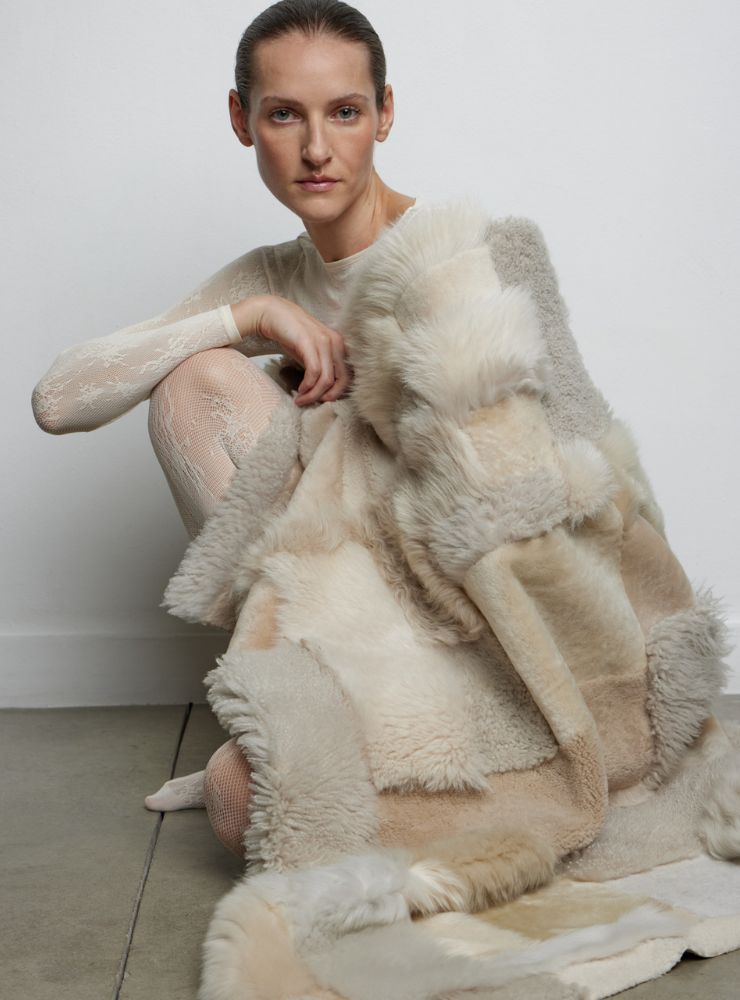
Sheepskin and shearling describe essentially the same type of natural material: a sheep or lamb skin tanned with its wool still attached. Traditionally, “shearling” refers more specifically to a young sheep that has been shorn once. In modern fashion, however, the term shearling is commonly used for describing high quality clothing and accessories, while sheepskin is used to describe less fashion items like slippers and aviation flying jackets. Some fashion retailers also use both sheepskin and shearling to describe shearling/ sheepskin looking fur fabric.

Definitions can vary slightly around age: Cambridge defines a shearling as a sheep between one and two years old that has been shorn once, while Collins describes it as a young sheep after its first shearing.
In the shearling trade, however, the terminology isn't always quite so clear-cut. A skin merchant we have worked with for many years recently put it rather simply: shearling has become the more luxurious-sounding name for what is, fundamentally, sheepskin.
There is still a useful distinction when talking about the age and size of the animal. A lamb or young sheep produces a naturally smaller and generally lighter skin, while an older sheep produces a larger, heavier and often thicker skin. This difference can significantly affect how the finished material feels and, what it’s used for, and importantly for us, how it works when made into a garment.
You will sometimes hear that shearling must come from a lamb under one year old, or that its wool is finer because the animal has only been shorn once. We wouldn't use the under-one-year definition as an absolute rule. Traditional dictionary definitions generally place a shearling around the yearling stage and emphasise the first shearing rather than a strict maximum age.
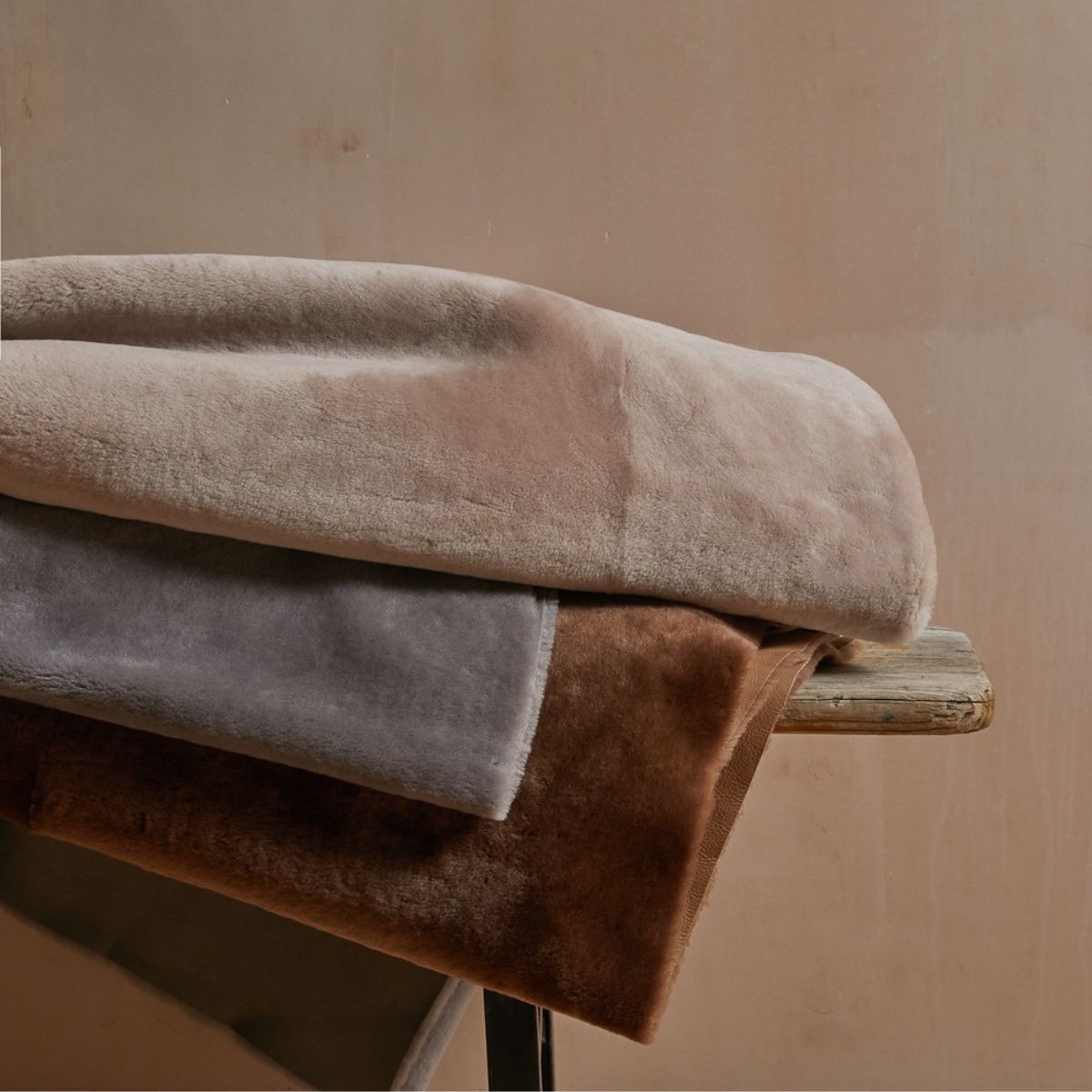
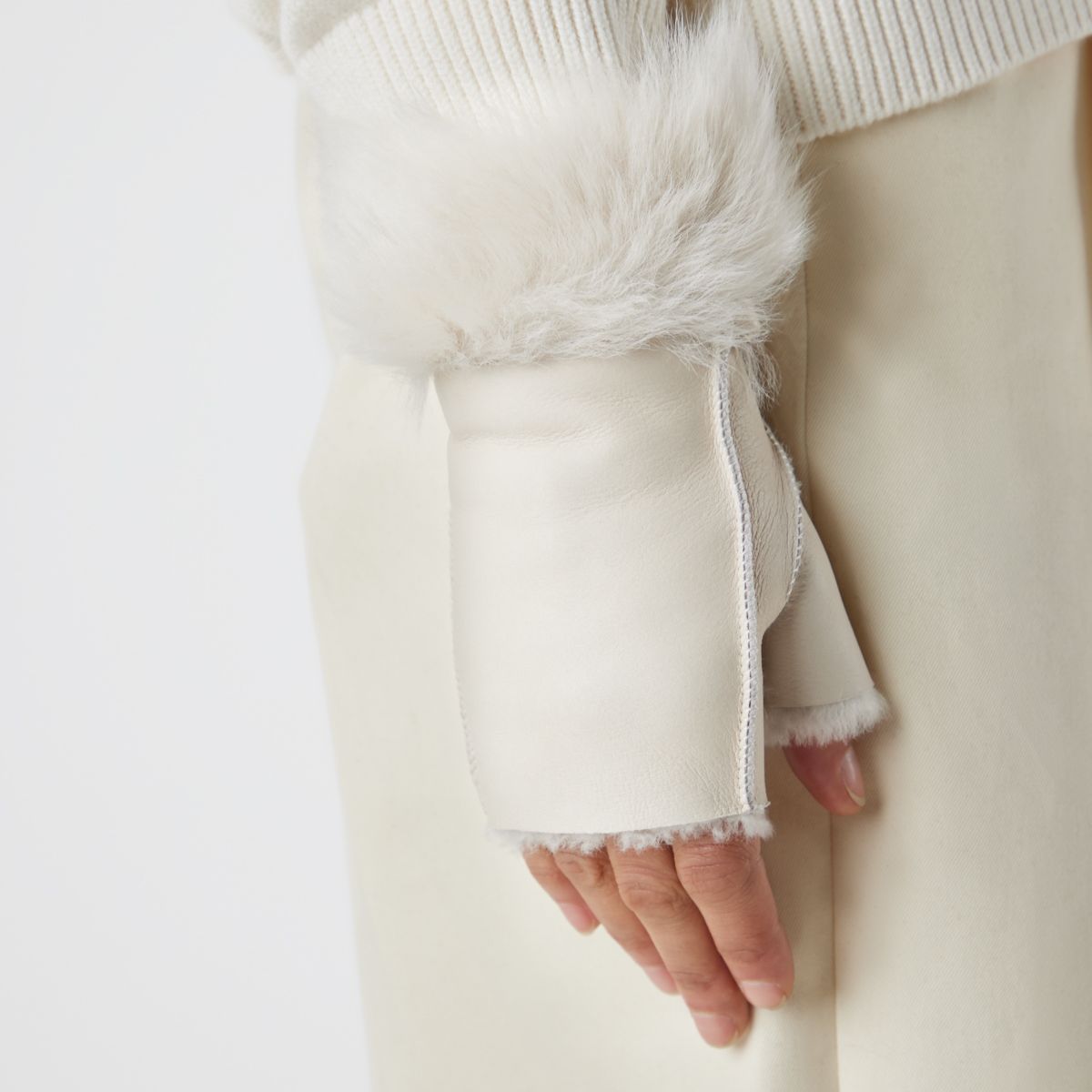
Once tanned, both sheepskin and shearling retain the wool on one side and the skin on the other. The skin side can then be finished in different ways, as a soft suede or a smooth nappa leather finish.
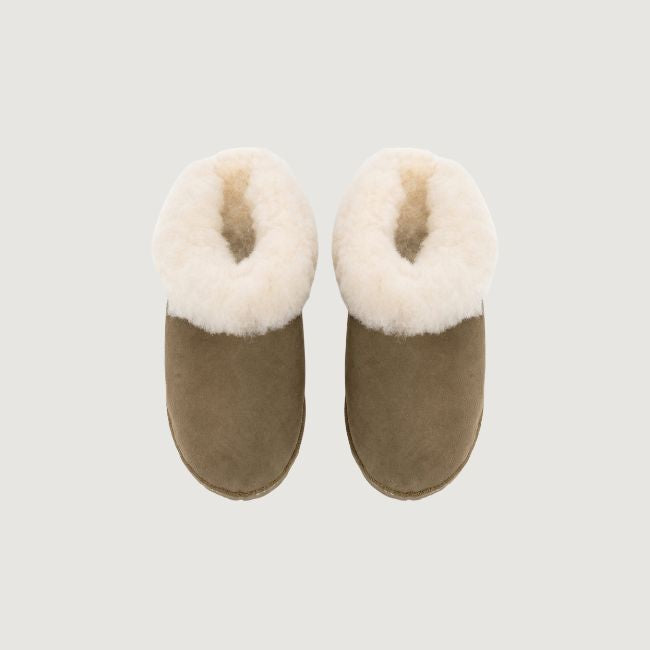
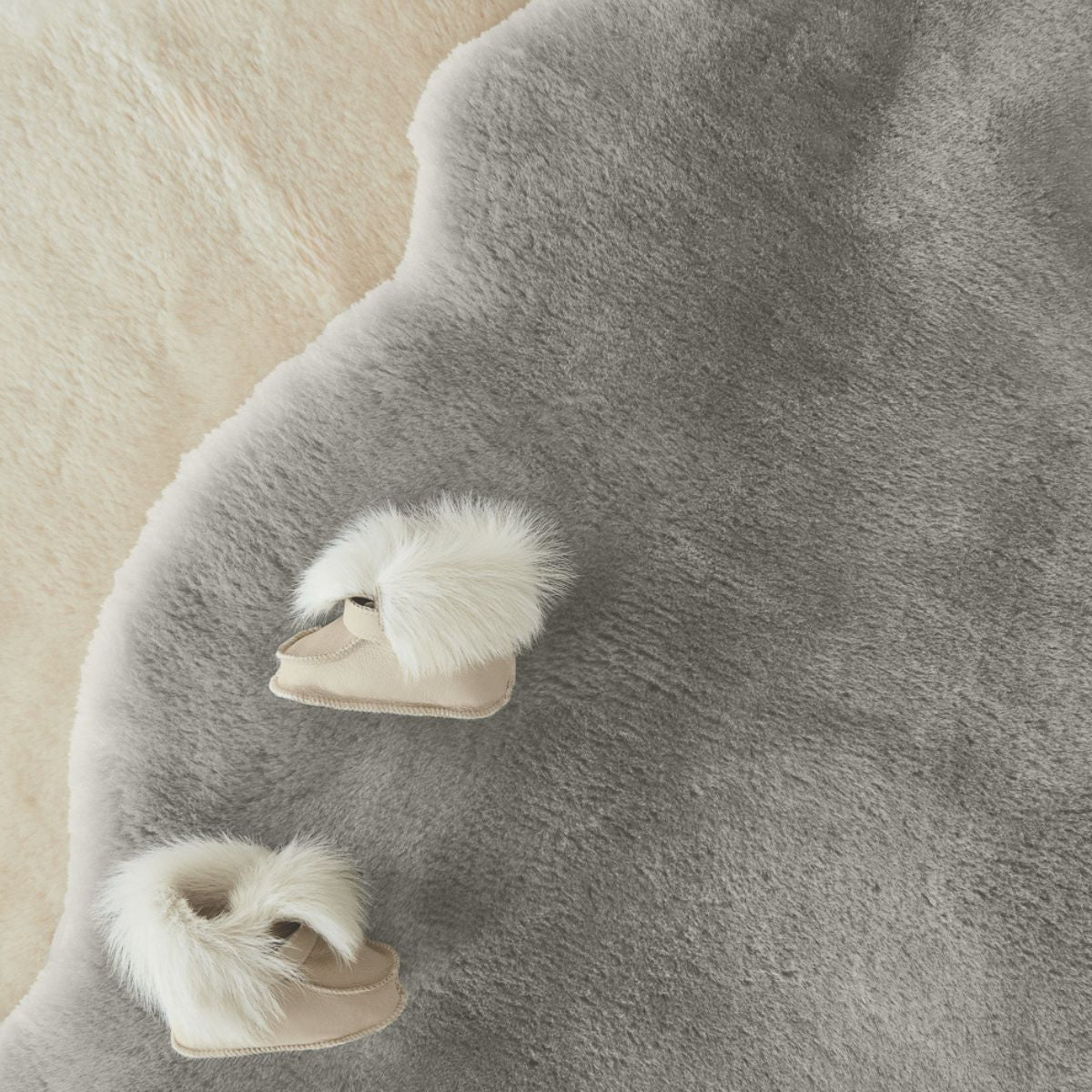
At Gushlow & Cole, we use the term shearling as we work with high quality, small sizes skins (from a lamb) for fashion garments and accessories. This is different to larger sized sheepskin (from a sheep) used for slippers and rugs, and flying jackets
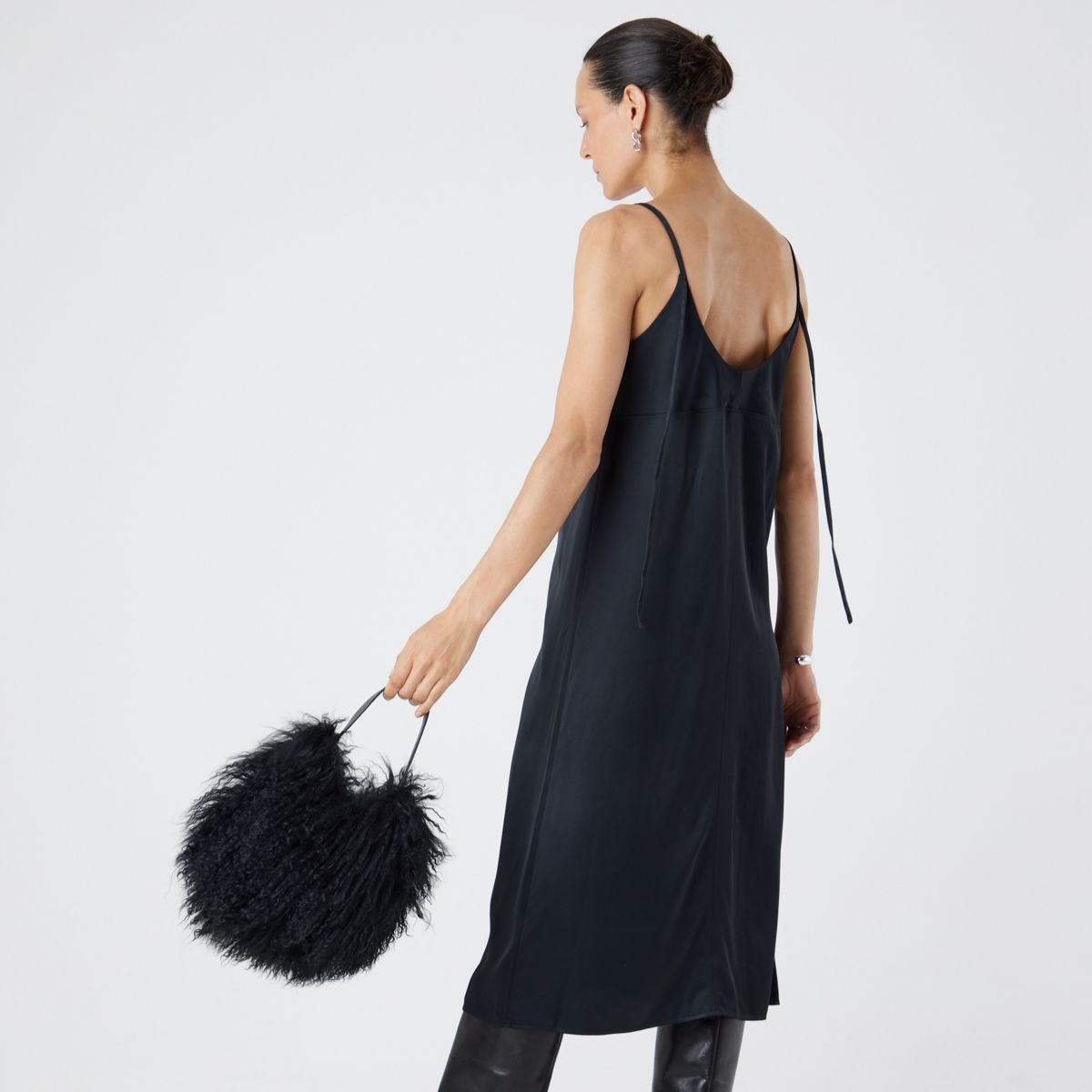
We work with many different types of shearlings including Merino, Curly Merino, Toscana and Mongolian - choosing them according to their weight, wool texture, handle and how we want the finished piece to look and behave.

So, in simple terms:
Shearling is sheepskin, but the word shearling traditionally refers to the skin of a younger, recently shorn animal. In modern fashion, “shearling” is also widely used as the more refined term for high-quality lambskin used in clothing and accessories.
At Gushlow & Cole, we do not use “shearling” simply as a more luxurious name for any sheepskin. We select high-quality skins specifically suited to clothing and accessories, considering their origin, size, weight, wool character and performance in a finished design.
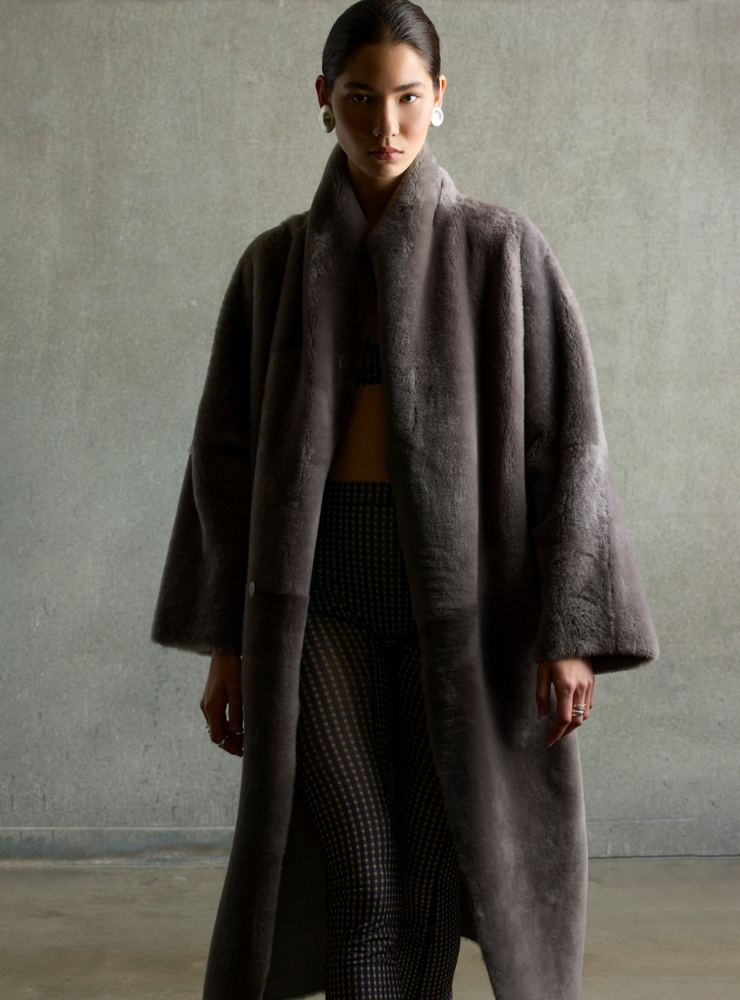
At Gushlow & Cole, when we use the word shearling, we mean the highest, luxury quality, real, natural lambskin with the wool and leather still naturally connected. All of the shearling we use is a by-product of the food industry rather than an animal farmed for its pelt.

What is responsible shearling?
Responsible Shearling is a term we use at Gushlow & Cole to describe our approach to sourcing, designing and making with shearling.
Interested in finding our more about the materials we use? Read more below.
-
Our guide to responsible shearling
-
Explore the shearling materials we use
-
Shop women’s shearling coats and jackets
-
Why shearling is different from fur